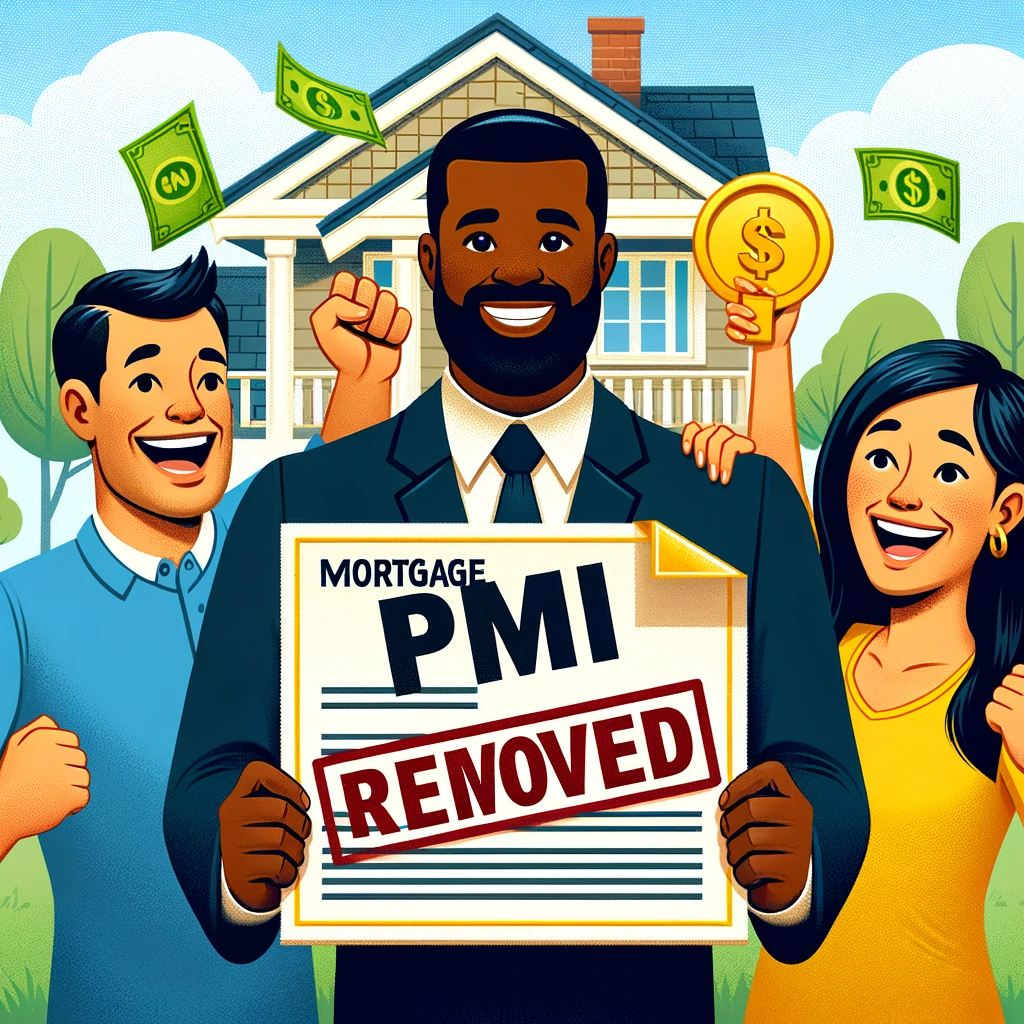
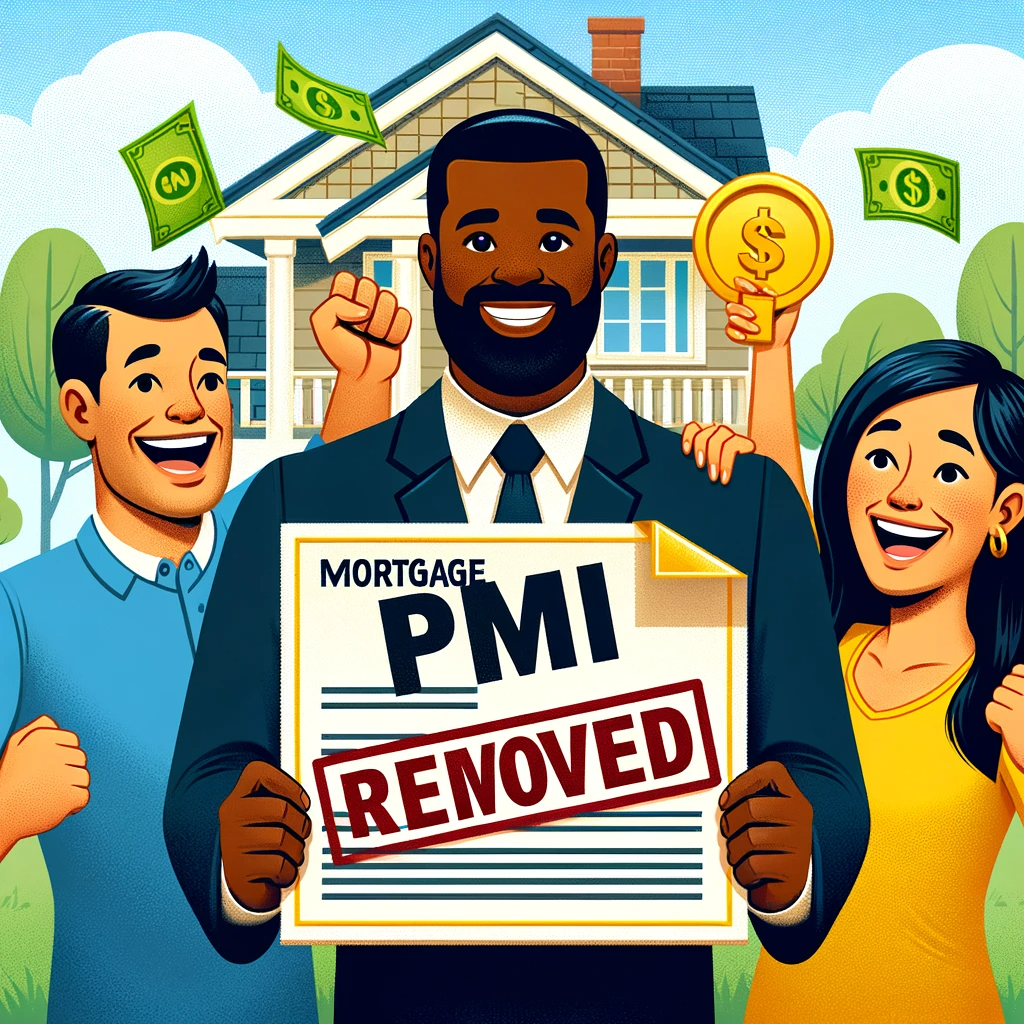
Navigating the complexities of home financing can be a challenging endeavor, particularly when it comes to managing additional costs like Private Mortgage Insurance (PMI). PMI is a type of insurance that lenders require from most homebuyers who obtain loans that are more than 80% of their new home’s value. While PMI can increase the overall cost of a mortgage, there are several strategies to avoid or minimize this expense.
Understanding PMI: A Quick Overview
PMI is designed to protect lenders from the risk of default and foreclosure. It’s typically required on conventional loans when the down payment is less than 20% of the home’s purchase price. PMI fees can vary, but they generally range from 0.3% to 1.5% of the original loan amount annually.
Why Avoid PMI?
The primary reason to avoid PMI is financial savings. PMI does not contribute to your equity in the home and can significantly increase your monthly mortgage payment. Avoiding PMI can lead to more disposable income and greater financial flexibility.
Strategies to Avoid PMI
1. Larger Down Payment
The most straightforward strategy to avoid PMI is to make a down payment of at least 20%. This not only eliminates the need for PMI but also reduces your loan-to-value ratio, potentially securing more favorable loan terms.
2. Lender-Paid Mortgage Insurance
Some lenders offer lender-paid PMI, where the cost of the insurance is included in the mortgage rate. This can be a viable option for borrowers who can’t afford a 20% down payment but can manage slightly higher interest rates.
3. Piggyback Loans
Another approach is to take out a piggyback loan, also known as an 80-10-10 loan. This involves taking a primary mortgage for 80% of the home’s value, a second mortgage for 10%, and making a 10% down payment. While this avoids PMI, it does mean managing two separate mortgage payments.
4. Home Price Appreciation
In a rising real estate market, your home’s value might increase to a point where your mortgage balance falls below 80% of its value. At this point, you can request the lender to cancel the PMI.
5. Refinancing
If your home has appreciated in value, refinancing can be an effective way to eliminate PMI. A new appraisal showing a lower loan-to-value ratio can result in PMI removal.
6. Loan Programs without PMI
Some loan programs, especially those aimed at first-time homebuyers or certain income brackets, do not require PMI, even with down payments below 20%.
7. Accelerated Mortgage Payments
Paying extra on your mortgage principal can reduce the balance more quickly, reaching the 80% loan-to-value threshold sooner and allowing you to request PMI cancellation.
Considerations Before Avoiding PMI
While avoiding PMI can save money, it’s important to consider your entire financial picture. A larger down payment might strain your savings, and alternative loan structures might come with their own costs or higher interest rates.
Conclusion
Avoiding PMI can be a smart financial strategy for many homebuyers, offering opportunities for savings and increased equity in their home. By understanding the different methods to avoid PMI and carefully considering their financial situation, borrowers can make informed decisions that best suit their long-term financial goals.