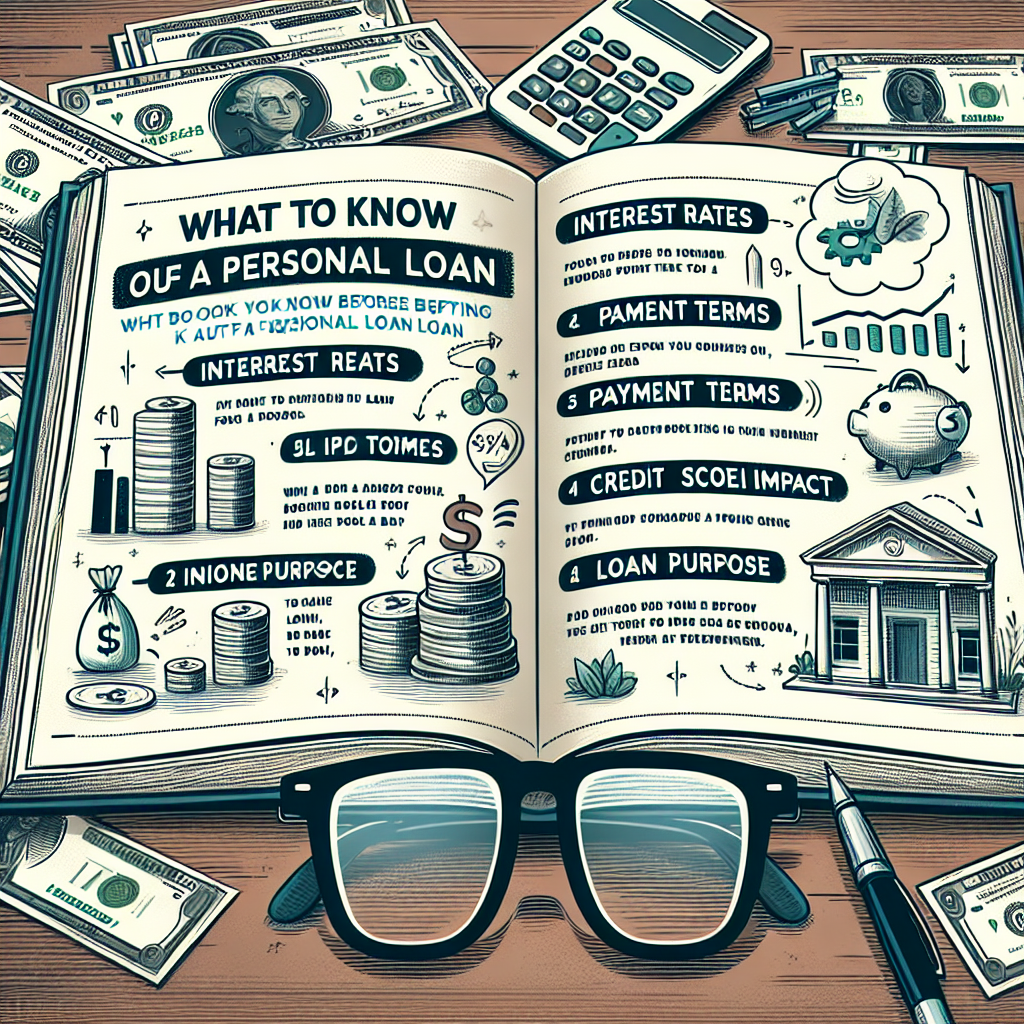
Deciding to take out a personal loan is a significant step that comes with numerous deliberations to make. This piece is crafted to elaborate on personal loans and how they differ from other types of loans such as auto and mortgage loans. It also includes a discussion regarding the effective use of personal loans and potential alternatives to these loans.
Defining Personal Loans
A personal loan is a fixed-payment loan, primarily intended for individual consumers. Borrowers receive money from a lender and are obligated to repay this at a fixed amount over a specified period. A personal loan comes in different flavors, with each loan serving a distinct purpose.
Unlike other loan types, a personal loan may not demand collateral or an item of value. This means you will not be forfeiting your car or home should you default in loan repayment. This uniqueness sets a personal loan apart from other types of loans such as auto loans or mortgage payments.
How to Use Personal Loans
Personal loans can be employed in various ways. For instance, if you’re eyeing a purchase that’s too heavy for your cash flow, such as procuring an appliance or an air conditioner, a personal loan can take care of this need.
Also, you can leverage personal loans in consolidating other debts and in managing one-off expenses related to schooling, medical bills, or holidays.
Qualifying for a Personal Loan
One does not just bump into personal loans without first passing through the qualification phase. Often, lenders will look into your good credit history as the primary factor to qualify you for the loan. If you lack a satisfying credit history, you may qualify for a personal loan or a better loan rate by using collateral.
Such collateral could be accounts in savings or insurance policies, but it’s advisable to consult with your bank to understand what else might be accepted as collateral.
Determinants of Personal Loan Amounts
Several parameters influence how much a person can borrow in terms of a personal loan. These factors could range from the credit score, any collateral availability, or a set financial relationship with the lender.
Correspondingly, if your application is rejected, the law allows you to know what motivated this decision. The likely reason for denial is usually a low credit score. Improve your credit score by adhering to bill payment schedules as specified and at least paying the minimum required payment on credit cards.
Exploring Other Loan Options
The terms of your personal loan may allow you to make an early repayment. However, it is critical to consult with your lender to establish if any penalties come with this early repayment.
For a borrower with a limited credit history, the need for a co-signer becomes evident. The function of a co-signer is to step in and repay your loan if you fail. However, it’s crucial for the co-signer to comprehend that they are binding themselves to all liabilities similar to the borrower. Any developments on this loan equally affect the co-signer’s version of the credit history and score.
A personal loan is just one option to sort your financial needs. Other alternatives exist such as credit cards or home equity loans. Also, it is valid to explore saving for your planned expense and only going for the purchase once you’ve amassed enough money.
Protection for Borrowers
If you encounter any perceived illegalities or wrongdoings from your lender, the Consumer Financial Protection Bureau (CFPB) provides an avenue where you can lodge your complaints.
Dealing with financial struggles may affect your ability to honor loan payment obligations. Reach out swiftly to your lender for assistance when this happens. You may also seek help from some federal government programs.
Advice for Potential Borrowers
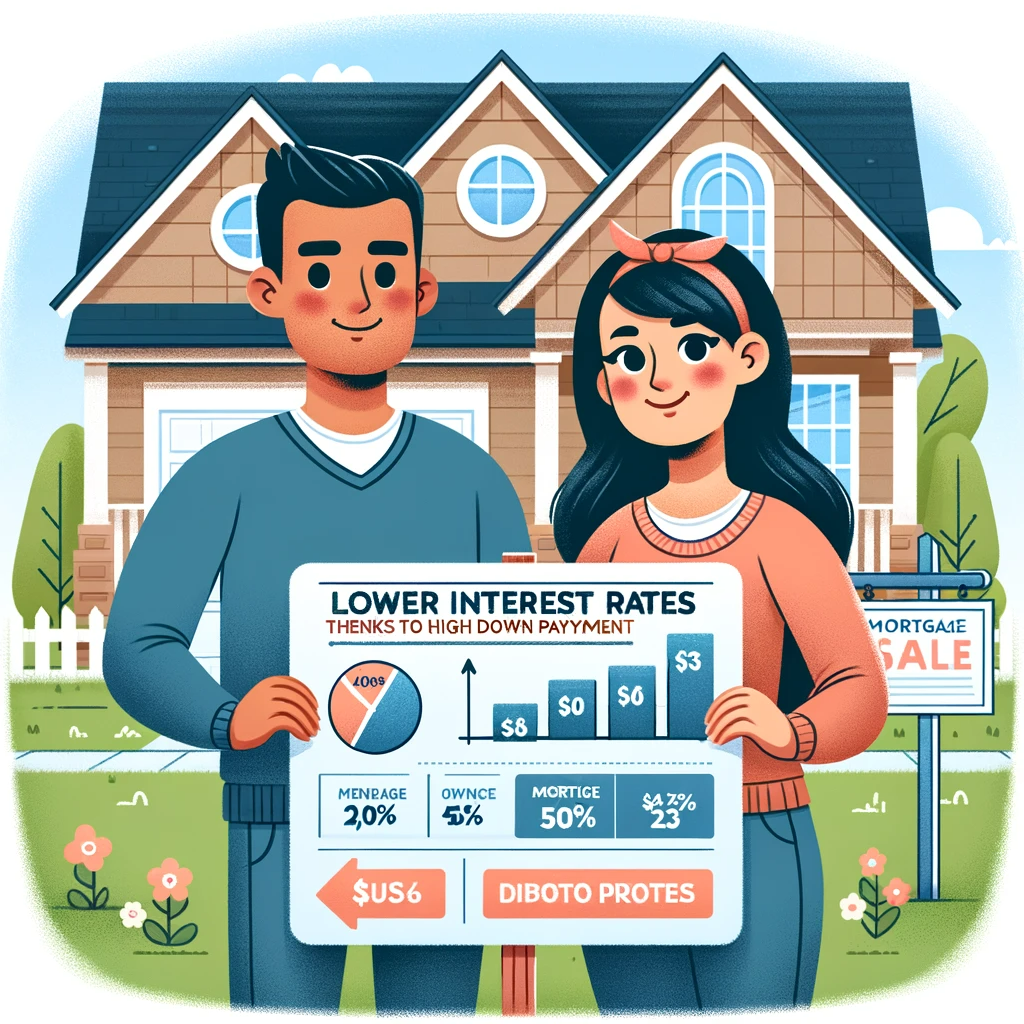
The journey of obtaining a personal loan needs careful consideration. Sometimes, it’s a better idea to forgo a personal loan to qualify for another loan type, such as a home mortgage instead.
As a potential borrower, your credit score is crucial. You can keep track of your score by checking your credit card or loan statements, consulting with a nonprofit credit counselor, using a credit score service, or buying this score directly from your credit reporting company or myFICO.com.
Early settlement of your personal loan may come with penalties, although this entirely depends on your loan terms. It’s always advisable to inquire about these penalties before loan application.
Conclusion
The versatility of personal loans makes them a preferred choice for purchases that don’t fall directly within conventional loans like an auto loan or mortgage. These loans can be easily accessed, especially if you boast a good credit history, making their rates friendlier than credit cards.
However, personal loans can be somehow pricy for individuals with poor credit. You should carefully consider your long-term financial goals before opting for a personal loan. In the long run, it may be more beneficial to save until you’re able to afford your dream purchase.